Jhalmuri, Sandesh, and Darjeeling Tea: A Celebration of the BJP’s Victory with an Ode to Bangaliyana
Jhalmuri, Sandesh, and Darjeeling Tea: A Celebration of the BJP’s Victory with an Ode to Bangaliyana
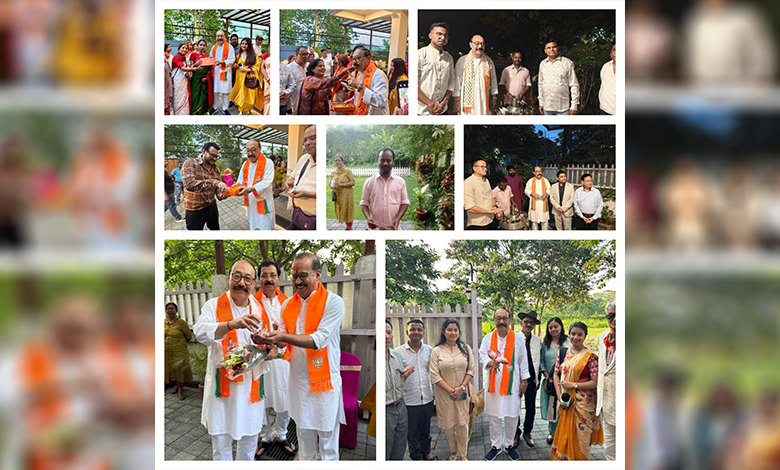
Truth of Bengal: In an evening steeped in political symbolism and the warmth of a quintessential Bengali adda, Rajya Sabha MP Harsh Vardhan Shringla hosted a celebratory gathering, “Ek Sandhya Jhalmuri aar Sandesh-er Shonge,” to commemorate the formation of the newly elected BJP-led West Bengal Government.
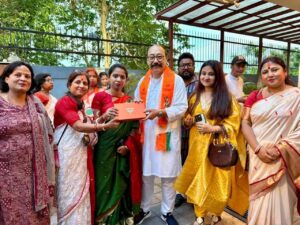


This was no ordinary political celebration. The showstopper—the humble jhalmuri—served as an ode to Prime Minister Narendra Modi’s penchant for the snack during his Bengal election campaigns. While critics once dismissed the gesture as mere political optics, for many Bengalis, it carried a cultural subtext that outsiders often miss. To those in attendance, the paper thonga of jhalmuri was a quiet invocation of Bengal’s political soul.
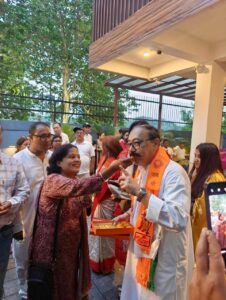
In Bengal, politics does not belong exclusively to television studios, party headquarters, or intellectual seminars. It lives in the para. It breathes through evening adda and unfolds over earthen cups of tea, roadside benches, and newspapers tucked under arms. It is discussed over shared snacks among neighbors—spirited debates on elections, ideology, governance, and national affairs. Bengal’s political consciousness has always been deeply conversational.
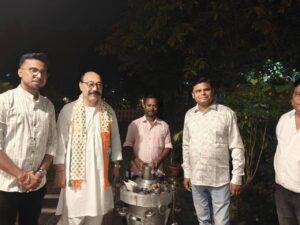
Mr. Shringla’s event celebrated this reality effectively. The choice of jhalmuri acknowledged that the ordinary Bengali citizen is far from apathetic. On the contrary, the state’s culture is defined by a fiercely articulate citizenry that instinctively interrogates power and participates in informed debate within everyday social spaces.
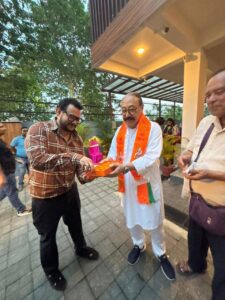
Held amid the comforting aroma of Darjeeling tea and the sweetness of sandesh, the event evolved into a powerful tribute to North Bengal’s growing centrality in shaping the BJP’s future. The symbolism was unmistakable: Darjeeling tea represented the hills and their place in the Bengali soul; jhalmurievoked the bustling streets and shared political culture; and sandesh carried the familiar sweetness of Bengali identity—for no victory is complete without mishti-mukh.
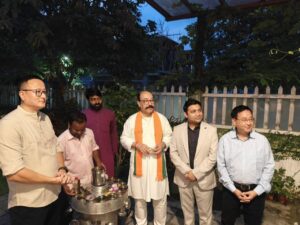
The gathering was also an expression of gratitude from a leader who helped solidify the BJP’s hold over North Bengal. Few public figures embody the region’s strategic importance as naturally as Mr. Shringla. Born into a distinguished family with deep roots in Darjeeling and having served India across global diplomatic capitals, the former Foreign Secretary brought a rare blend of international stature and regional belonging. His presence lent the gathering gravitas, reminding attendees that North Bengal now occupies a pivotal space in conversations regarding connectivity, borders, and national security.
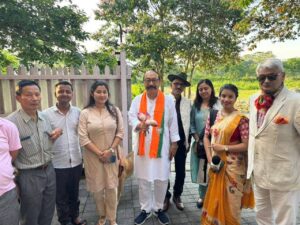
Attendees underscored how North Bengal has transformed from a peripheral theatre into one of the BJP’s strongest pillars. From the tea gardens of the Dooars to the plains of Cooch Behar, Alipurduar, and Jalpaiguri, the region has consistently delivered decisive momentum.
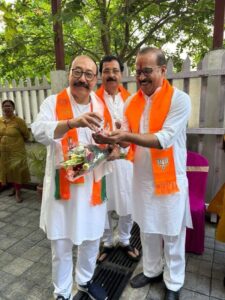
The evening stood out for its deliberate cultural tone. Eschewing loud sloganeering, the celebration leaned into Bengali aesthetics. Election anecdotes mixed with discussions on Bengal’s future, softened by humor, and shared memories. Several guests noted that the event challenged the perception that the BJP exists outside the state’s “cultural grammar.” By centering quintessentially Bengali experiences, the gathering presented a political idiom that was unapologetically local while remaining aligned with a national vision.
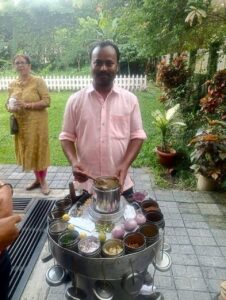
Ultimately, the gathering transcended the aesthetics of a victory party. It became a tribute to Bengal’s enduring culture of discourse—where ideology is not consumed passively but debated passionately over tea at a parar adda. Perhaps that was the evening’s most enduring message: that sometimes, politics in Bengal is best understood through a shared thonga of jhalmuri, a piece of sandesh, and a warm cup of Darjeeling tea.