Development, Diplomacy and Dharma: As PM Modi Completes 4,399 Days in Office, Harsh Vardhan Shringla’s Temple Visit Reflects a Larger National Narrative
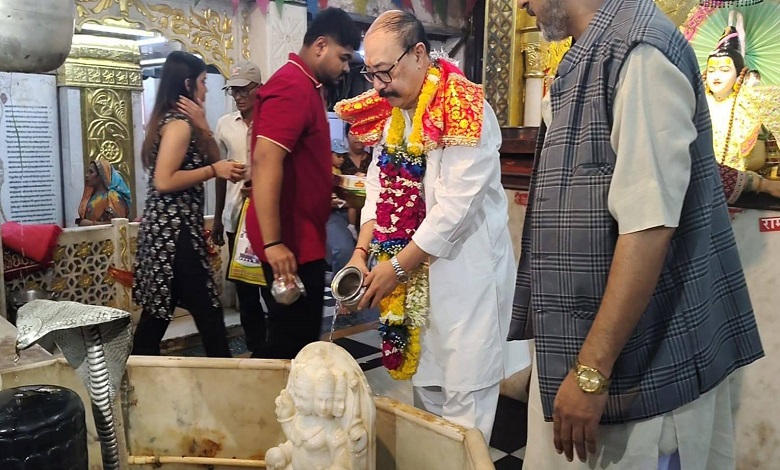
In the national capital, former Foreign Secretary Harsh Vardhan Shringla marked the occasion by offering prayers at the Pracheen Hanuman Mandir in Connaught Place.
Truth of Bengal: India’s political journey witnessed a notable moment on June 10, 2026, as Prime Minister Narendra Modi completed 4,399 days in office, becoming India’s longest-serving democratically elected Prime Minister in consecutive terms. The milestone was observed across the country through celebrations, prayers and public outreach programmes.
In the national capital, former Foreign Secretary Harsh Vardhan Shringla marked the occasion by offering prayers at the Pracheen Hanuman Mandir in Connaught Place. He congratulated Prime Minister Modi on the achievement and prayed for his continued leadership in service of the nation.

On the surface, it was a ceremonial tribute. But in a larger sense, the gesture reflected a wider narrative that has come to define the Modi era — development, diplomacy and dharma.

Shringla’s presence at one of Delhi’s oldest and most revered temples carried symbolic significance. Having served nearly four decades in diplomacy, including as India’s Foreign Secretary, Shringla has seen from close quarters how India’s global image and strategic influence have evolved. His public tribute to Modi therefore went beyond routine political appreciation.

In a social media message, Shringla described Modi’s twelve years in office as a period of dedicated service, visionary leadership and commitment to building a “Viksit Bharat.” He also credited the Prime Minister’s leadership with strengthening India’s global standing and accelerating the country’s developmental journey.
The choice of venue added another layer to the message. Located in the heart of the national capital, the Pracheen Hanuman Mandir represents a bridge between India’s ancient civilisational traditions and its modern democratic institutions. By offering prayers there, Shringla appeared to connect a political milestone with India’s deeper cultural identity.

The visuals from the temple showed him interacting with devotees, meeting citizens and participating in religious rituals. This reflected a broader trend visible during the Modi years — the confidence with which public figures now connect governance, development and diplomacy with India’s civilisational roots.

Shringla’s tribute also stood apart because he is not a conventional politician. Coming from the world of diplomacy and statecraft, his words carried a different kind of weight. Praise from political leaders is often seen through an electoral lens, but when a former Foreign Secretary speaks about leadership, governance and India’s global standing, it is read more through the prism of national strategy and international perception.

In that sense, his gesture brought together three defining themes of contemporary India: development at home, diplomacy abroad and dharma as a civilisational anchor.

Shringla’s tribute was not merely a celebration of a political record. It was also a reflection of the larger governance legacy associated with the Modi era — an era that seeks to combine national development, global confidence and cultural rootedness.